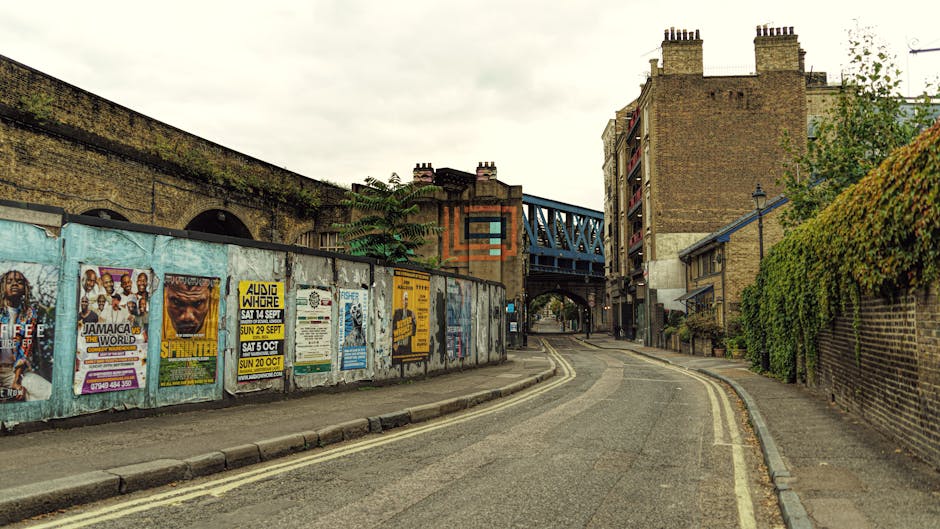
Battersea Park Station removals tips for narrow streets: a practical guide for moving without the stress
If you are planning a move near Battersea Park Station, the narrow streets can turn a simple removal into a very different kind of puzzle. Parking is tighter, turning room is limited, and one badly timed van can block everyone. That is why Battersea Park Station removals tips for narrow streets are worth taking seriously before moving day arrives. In this guide, you will get clear, realistic advice on planning access, choosing the right vehicle, packing smarter, protecting your furniture, and avoiding the small mistakes that cause big delays. It is the sort of moving prep that saves time, nerves, and a few choice words on the day.
To be fair, most moves do not go wrong because people forget a box. They go wrong because nobody thought properly about where the van would stop, how the sofa would turn at the doorway, or what happens when a delivery truck is already half in the road. Let's make that part easier.
Table of Contents
- Why Battersea Park Station removals tips for narrow streets Matters
- How Battersea Park Station removals tips for narrow streets Works
- Key Benefits and Practical Advantages
- Who This Is For and When It Makes Sense
- Step-by-Step Guidance
- Expert Tips for Better Results
- Common Mistakes to Avoid
- Tools, Resources and Recommendations
- Law, Compliance, Standards, or Best Practice
- Options, Methods, or Comparison Table
- Case Study or Real-World Example
- Practical Checklist
- Conclusion
- Frequently Asked Questions
Why Battersea Park Station removals tips for narrow streets Matters
Moves around Battersea Park Station often involve residential roads where traffic, parked cars, and tight bends leave little margin for error. Even when the distance from van to front door looks short on paper, the real-world difficulty can be much greater. A route that seems fine in the morning may become awkward by mid-afternoon if school runs, commuters, or a parked car squeeze out the space you thought you had.
That matters because removals are not just about transport. They are about access. If the vehicle cannot stop near the property, every item has to be carried further. If the road is too narrow for a larger van, your team may need a shuttle approach. And if a sofa has to be twisted through a hallway with a sharp corner, you need protection, time, and enough hands. Narrow streets magnify every small decision.
There is also the neighbour factor. Nobody enjoys being the person who blocks a road, parks badly, or leaves a stairwell full of cardboard for an hour. A bit of planning keeps things smoother for everyone. In a busy London pocket like Battersea, that goodwill is not a bonus; it is part of doing the job properly.
If you are comparing moving support, it can help to look at broader services too, such as removal services for full-house moves, or man and van options when access is limited and flexibility matters more than size.
How Battersea Park Station removals tips for narrow streets Works
The basic idea is simple: reduce uncertainty before the van arrives. A narrow-street move works best when you think through access, timing, loading order, and lifting routes in advance. It is a chain, and if one link fails, the whole day slows down.
Start with access. Measure the width of the street if you can, note any low branches, bollards, resident parking bays, speed humps, or turning pinch points. Then think about your building entrance. Is there a tight front path? A shared hallway? A communal gate that only opens part way? Those details decide whether a van can park directly outside or whether your movers need to work in stages.
Next comes vehicle choice. A long wheelbase van may carry more, but in some streets a smaller vehicle is simply less stressful. A compact load can mean fewer manoeuvres, fewer pauses, and fewer chances of clipping mirrors or blocking traffic. The right solution is not always the biggest one. Sometimes the smartest move is the one that fits.
Then there is timing. Early mornings are often calmer for loading, but not always if residents are leaving for work. Midday can be easier for parking in some places, though busier in others. Truth be told, there is no magical slot that works everywhere; the best time depends on your exact road and the building's rhythm.
For smaller flat moves, especially where access is fussy, flat removals can be a useful fit. If you need an extra pair of hands with the heavy lifting, man with a van support can also suit narrow streets where nimble handling matters more than a huge lorry.
Key Benefits and Practical Advantages
Good planning for narrow streets is not just about avoiding hassle. It can improve the whole move in several practical ways.
- Less time wasted: Shorter carry distances and smoother parking reduce delay.
- Lower risk of damage: Fewer awkward turns and less rush means fewer knocks to furniture, walls, and doorframes.
- Better control: A smaller, better-suited vehicle is easier to position and unload.
- Less physical strain: Carrying items further down a street is tiring, especially with heavier pieces.
- Improved neighbour relations: A tidy, efficient move is simply less disruptive.
- Fewer last-minute surprises: You are less likely to discover that the van cannot physically get where you expected it to go.
There is another quiet benefit: confidence. Once the access problem is under control, everything else feels more manageable. Packing becomes more focused. The day has a shape. People stop asking, "Will this even work?" and start asking, "What goes in first?" That shift is huge.
Who This Is For and When It Makes Sense
This advice is especially useful if you are moving from or to a property near Battersea Park Station where the road layout is tight, parking is limited, or the building has a difficult entrance. That often includes:
- Flat moves in converted houses or apartment blocks
- Small family homes on residential streets
- Student moves with lots of boxes and a few awkward bits
- Office relocations into compact local premises
- Moves that involve heavy items like wardrobes, bookcases, or pianos
It also makes sense if you are moving on a limited schedule. If you only have a short access window, or if a landlord has given you a specific check-out time, the margins get tighter. In those situations, a same day removals approach can be helpful when plans change quickly, though it still needs good access planning. Same-day does not mean no planning. If anything, it means more.
Small office relocations can be surprisingly tricky too. A few desks, boxes of files, and monitors can become awkward fast if the street is too tight for a larger vehicle. For that sort of move, office removals or commercial moves are worth considering when you need a more structured approach.
Step-by-Step Guidance
Here is a practical way to prepare for a move around Battersea Park Station when the streets are narrow and parking is tight.
- Walk the route yourself. Stand at the property entrance and look at where a van could realistically stop. Check if there is enough space for tail lift use, door opening, and unloading.
- Measure bulky items. Sofas, beds, wardrobes, fridge-freezers, and desks need special attention. Write down the dimensions, not just the names. A "small wardrobe" can still be the wrong shape for a tight stairwell.
- Decide what should travel first. Keep essentials, fragile items, and high-value documents separate. Heavy furniture should not block access to smaller boxes during loading.
- Pack for stackability. Use strong boxes that can be stacked without collapsing. Narrow-street moves benefit from fast, safe loading, and that depends on tidy packing.
- Reserve space where possible. If a suitable parking spot may be difficult to hold, plan ahead with your mover so they can advise on the best arrival time and vehicle type.
- Protect the route inside the property. Use floor protection, corner guards, and door protection if there is a risk of scrapes.
- Prepare an unload order. Decide what should come off the van first so the team can access the most needed items early.
- Keep communication open. A quick message about road conditions, blocked parking, or a changed entrance can prevent a lot of wasted effort.
If the move involves a lot of packing, packing and boxes support can save time and reduce breakages. For more hands-on help from start to finish, packing and unpacking services can be a sensible option, especially if you are moving with children, elderly relatives, or simply a lot of stuff.
A small but useful habit: label boxes by room and priority, not just by contents. "Kitchen - first night" is far more helpful than "kitchen bits". You will thank yourself at 8:15pm when you are hunting for a kettle. We have all been there.
Expert Tips for Better Results
Here are the details that often make the difference between a smooth move and a messy one.
Choose a vehicle that suits the street, not just the load
A larger van can seem efficient, but narrow Battersea roads sometimes reward agility. If your mover has multiple vehicle options, ask which one is best for your exact street and building access. A slightly smaller van can save time if it avoids shuffling back and forth.
Keep heavier items near the load bay
Load the heaviest pieces in a sensible sequence so the team does not keep re-handling them. In a narrow street, every extra minute outside increases the chance of conflict with traffic or neighbours.
Use a shuttle method if the road is too tight
If the van cannot park close enough, one method is to move items from the property to a safer collection point and then load them from there. It is less glamorous than a perfect curbside stop, but it works. Sometimes that is the whole game.
Protect high-risk furniture first
Items with sharp corners, glass, polished surfaces, or delicate frames need wrapping before the main loading begins. If a van is being repositioned often, wrapped furniture is much less vulnerable to knock damage.
Consider storage if the access problem is temporary
If completion dates, renovation work, or staggered move-in times are making everything awkward, short-term storage can buy breathing room. That is especially helpful for families or flat moves where the old and new properties are not ready on the same day. Storage can turn a rushed move into a staged one, which is often much calmer.
Think about specialist items early
Pianos, awkward sculptures, oversized mirrors, and antique furniture all deserve separate planning. If you have something fragile or unusually heavy, a general plan is not enough. You need the right equipment and the right handling order. For that, piano removals or other specialist handling options may be the safer route.
And yes, it is worth saying again: the last thing you want is two people trying to persuade a wardrobe around a corner that clearly does not want to cooperate. The wardrobe always wins unless you plan properly.
Common Mistakes to Avoid
Most narrow-street moving problems are avoidable. They usually come from assumptions made too early.
- Assuming the van will fit. Guessing is not a strategy. Check access properly.
- Leaving parking decisions until moving day. That is how delays start.
- Forgetting about overhanging branches or low walls. Mirror damage and scrapes are common when people focus only on the road width.
- Not measuring large items. A sofa that looked fine in the lounge may be awkward at the front step.
- Packing fragile items loosely. Bumpy streets and repeated handling expose poor packing very quickly.
- Overloading boxes. Heavy boxes are harder to carry through a narrow entrance and more likely to split.
- Ignoring stairwell pinch points. The road may be narrow, but the hallway can be the real problem.
- Not telling movers about access changes. If roadworks, bins, or parked vehicles block the usual stop point, say so early.
A common one, and a slightly annoying one, is where people say, "It should be fine, it is only a short street." Short streets can still be a nightmare. Small London roads have a talent for looking deceptively simple.
Tools, Resources and Recommendations
You do not need a huge toolkit, but the right basics make a noticeable difference. A good removal team will usually bring many of these items, yet it helps to know what they are doing and why.
- Furniture blankets: Help protect polished or fragile surfaces during loading.
- Hanging wardrobe boxes: Useful for keeping clothing neat and reducing ironing later.
- Sturdy tape and labels: Keep boxes secure and easy to identify.
- Corner protectors: Helpful for doorframes, stair corners, and fragile furniture edges.
- Straps and dollies: Make lifting and loading safer and less tiring.
- Floor coverings: Worth using in halls and entrances to reduce scuffs.
For buyers comparing options, it can also help to look at service style rather than just price. A dedicated removal van may suit a smaller move, while a larger moving truck can work better when the street access is easier than it first appears. There is no universal winner here. It depends on the road, the building, and the amount of furniture you actually own, not the amount you think you own.
If you are still weighing up support, it may help to compare a standalone lift-and-load arrangement with fuller removals. A broader service can be worth it when the logistics are awkward and time is tight.
Law, Compliance, Standards, or Best Practice
For a move like this, the main legal and practical concern is safety. In the UK, movers and customers should take a sensible approach to manual handling, safe loading, and access management. You do not need to know every technical detail to do this well, but you should expect careful lifting, reasonable communication, and equipment suited to the job.
Parking and roadside loading can also be sensitive in London. Rules vary by street, bay type, local restrictions, and time of day, so it is always wise to check what applies to the exact location rather than assume. A good mover will treat this as part of planning, not an afterthought. If a road is narrow enough that stopping in the wrong place would block traffic or create a hazard, the move should be organised to minimise disruption.
Best practice also includes insurance awareness. You should know what cover applies to your belongings and what responsibility sits with the removal team. If you are arranging a service, it is sensible to review the company's insurance and safety information and make sure the details match the move you are booking. That is not being cautious for the sake of it. That is just smart.
For many people, a trustworthy operator matters as much as the price. If that is part of your decision, the company's about us page can help you understand how they work, while pricing and quotes gives a clearer sense of how jobs are assessed. If something is not clear, ask. Good operators expect questions.
Options, Methods, or Comparison Table
Different move types suit different access conditions. Here is a simple comparison to help you think it through.
| Move option | Best for | Strengths | Trade-offs |
|---|---|---|---|
| Man and van | Smaller moves, flexible access, quick loading | Easy to manoeuvre, often ideal for tight streets | May need multiple trips for larger loads |
| Full removals team | Family homes, heavier furniture, more complex moves | More hands, better for awkward items and staircases | Can cost more and needs stronger planning |
| Removal van with shuttle loading | Very narrow roads or limited parking | Practical when direct curbside loading is not possible | Extra carrying distance and time |
| Storage first, move later | Staged moves, delayed handovers, renovation gaps | Reduces pressure and avoids rushed decisions | Requires an extra step and more coordination |
For a flat in a tight street, a man with van setup can be perfectly sensible. For a larger home or more fragile load, a structured team from house removals may be the safer bet. The right answer depends on what you are moving and how awkward the access really is.
Case Study or Real-World Example
Imagine a two-bedroom flat a short walk from Battersea Park Station. The street is lined with parked cars on one side, and the building entrance sits just around a bend. On paper, it looks manageable. In practice, the van cannot sit directly outside for long without becoming a nuisance, and the lift is not available for large items.
The team starts with the smaller boxes and lightweight furniture, then uses a short carry route from the building to the van. The bed frame is dismantled in advance, the wardrobe doors are removed, and the sofa is wrapped before it leaves the flat. A second person stays close to the road to watch for gaps in traffic and signal when the van can shuffle a little closer.
Nothing dramatic happens. That is the point. No frantic re-parking, no blocked entrance, no last-minute panic because the tall lamp won't fit through the hall. The move takes a bit longer than a wide-road job would have, but it stays calm and controlled.
That kind of outcome is usually the reward for simple prep, not clever tricks. A decent plan, some honest measurement, and a mover who understands the area. Not glamorous, but it works.
Practical Checklist
Use this checklist a day or two before the move.
- Measure the widest items and the tightest parts of the route
- Confirm how the van will access the street and where it can stop
- Check for parking restrictions, roadworks, bins, or other likely obstructions
- Decide whether a smaller van, shuttle loading, or full removals team is best
- Pack fragile items securely and label boxes by room and priority
- Disassemble bulky furniture where possible
- Protect floors, doorframes, and corners inside the property
- Keep essentials separate for quick access after arrival
- Prepare a contact number that movers can reach on the day
- Have a backup plan if the street is unexpectedly blocked
If you are moving with a tight turnaround or a few awkward items, a little extra preparation now will save you a lot of huffing and puffing later. Seriously, it does.
Conclusion
Battersea Park Station removals tips for narrow streets are really about one thing: reducing friction before it turns into delay. Once you understand the street layout, choose the right vehicle, pack in the right order, and keep a realistic plan for parking and access, the move becomes far more manageable. That is true whether you are shifting a studio flat, a family home, or a small office.
The best narrow-street moves feel calm because the work was done early. You do not need magic. You need practical thinking, honest measurements, and a team that respects the logistics as much as the lifting. If you are moving soon, take the time to plan the access properly. It really does make the day lighter.
Get a free quote today and see how much you can save.
And if you are still standing in the hallway wondering how on earth that bookshelf is going to turn the corner, take a breath. There is nearly always a way through it.
Frequently Asked Questions
What is the best van size for narrow streets near Battersea Park Station?
Usually, the best van size is the smallest one that can still carry your load safely. A compact or medium van can be easier to manoeuvre on tight roads, especially if parking is limited. The right choice depends on the street width, turning space, and how much you are moving.
How do I know if a removal van will fit on my road?
The safest way is to measure or visually check the access in advance. Look at parked cars, bends, kerbs, bollards, and anything that might limit turning. If in doubt, speak to the mover and describe the street as accurately as possible.
Should I book a full removals service or a man and van?
If you have a smaller load and limited access, a man and van option may be enough. If you have heavy furniture, multiple rooms, or awkward access points, a fuller removals service is usually more practical. The decision should be based on the property layout, not just the number of boxes.
What should I do if the street is blocked on moving day?
Tell the movers immediately and adjust the plan rather than forcing the issue. Sometimes a short wait, a different stop point, or a shuttle approach is the cleanest solution. It is better to pause briefly than to create a blocked road or risk damage.
How can I make loading faster in a narrow street?
Keep boxes labelled, pack by room, and place the heaviest items where they can be loaded first. Also, clear hallways before the van arrives. The less time the team spends deciding what goes where, the smoother everything feels.
Are narrow streets more risky for furniture damage?
They can be, mainly because of repeated lifting, tight turns, and limited space to manoeuvre. Using protective wraps, careful lifting, and a sensible loading order reduces the risk a lot. A good team will slow down where needed rather than rushing through a tight gap.
Can I move at the weekend if parking is tight?
Yes, but weekends can bring different parking patterns and more neighbourhood activity. Some roads are calmer, while others are busier with visitors or local traffic. Check the exact location rather than assuming weekends are easier.
What if I have a piano or another heavy specialist item?
Tell the mover early. Heavy specialist items need extra handling, extra planning, and sometimes different equipment. For a piano, specialist support is usually the safest option rather than trying to improvise on the day.
Is storage useful if my new place is not ready yet?
Yes, storage can be very helpful if move-in and move-out dates do not line up neatly. It gives you breathing room and prevents rushed decisions when access is already difficult. For narrow streets, that extra flexibility can be a big relief.
How far in advance should I plan a move near Battersea Park Station?
As early as you can, especially if the street is tight or parking is constrained. Even a few days of planning can make a difference, but more notice is better for tricky moves. Early planning gives you time to choose the right vehicle and avoid last-minute surprises.
What is the biggest mistake people make with narrow-street removals?
The biggest mistake is assuming access will sort itself out. It rarely does. Once people measure properly, choose the right vehicle, and prepare the loading route, the move becomes much less stressful.
Can movers help with packing as well as transport?
Yes, many moves benefit from combined packing and transport support. That is especially true when the street is tight and time on site needs to be efficient. If you want help with that side of things, packing support can make the whole process feel less chaotic.